
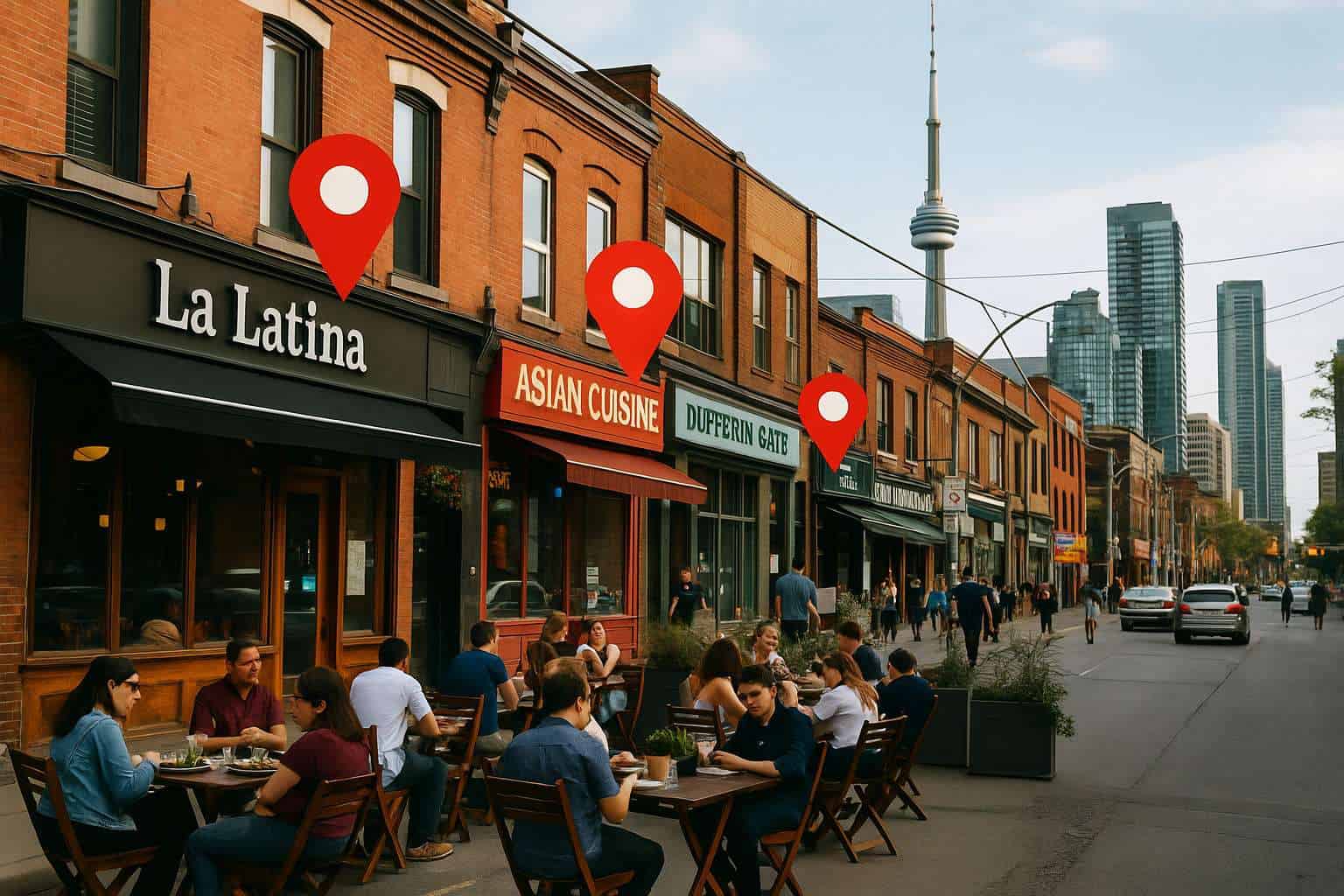

Introduction: Why Local SEO Matters for Toronto Restaurants
Toronto is home to one of the most diverse and competitive food scenes in the world. From cozy cafés in Kensington Market to upscale dining in Yorkville, restaurants are everywhere. But with competition this fierce, how do you ensure hungry customers find your restaurant first?
The answer: Local SEO (Search Engine Optimization). By optimizing your online presence, you can appear at the top of Google searches like “best sushi near me” or “Toronto Italian restaurant.”
This guide will show you exactly how Toronto restaurants can use local SEO to attract more customers and stay ahead of competitors.
What Is Local SEO and How It Works for Restaurants
Defining Local SEO
Local SEO is the process of optimizing your business to appear in location-based searches. When someone searches “restaurants near me,” Google shows local businesses in its Map Pack—a golden spot for visibility.
How It Differs from Traditional SEO
- Traditional SEO focuses on ranking nationally or globally.
- Local SEO focuses on Toronto-specific searches and attracting nearby diners.
The Competitive Landscape of Toronto’s Restaurant Scene
Why Toronto Diners Rely on Google Searches
In 2025, over 85% of Torontonians use Google before deciding where to eat. Whether it’s brunch in Queen West or late-night pho in Chinatown, customers search before they dine.
How Restaurants Compete with Chains and Delivery Apps
Independent restaurants don’t have the marketing budgets of chains, but local SEO levels the playing field. It ensures small restaurants can appear ahead of Uber Eats or DoorDash listings.
Step 1: Optimize Your Google Business Profile
Adding Accurate Information (NAP Consistency)
Ensure your Name, Address, Phone Number (NAP) is consistent across all platforms. Even small errors hurt rankings.
Uploading Photos and Menus
- Add high-quality food images.
- Upload your full menu in both text and PDF format.
Using Google Posts and Offers
Post updates like “Happy Hour Specials in Toronto” to engage customers and increase visibility.
Step 2: Master Local Keyword Research
Targeting “Near Me” Searches
Keywords like “pizza near me Toronto” or “late-night restaurants near Union Station” bring in high-intent traffic.
Using Toronto-Specific Neighborhood Keywords
Target neighborhoods like:
- “Yorkville fine dining”
- “Scarborough halal restaurants”
- “Liberty Village brunch spots”
Seasonal and Event-Based Keywords
During TIFF, keywords like “restaurants near TIFF Toronto” trend. Seasonal events = big opportunities.
Step 3: Build a Restaurant Website That Converts
Mobile-Friendly Design
Most restaurant searches happen on mobile. A non-responsive site loses customers.
Online Reservations and Ordering
Integrate tools like OpenTable, Resy, or direct online ordering.
Fast Loading Speeds
A slow website means lost diners. Optimize images and hosting for speed.
Step 4: Leverage Online Reviews and Reputation Management
Encouraging Customers to Leave Google Reviews
Offer a small incentive, like a discount on their next visit for leaving reviews.
Responding to Reviews Professionally
- Thank customers for positive feedback.
- Address negative reviews with empathy and solutions.
Boosting Local Rankings with Positive Feedback
The more high-quality reviews, the higher your chances of showing in Google’s Map Pack.
Step 5: Use Local Citations and Directory Listings
Food-Specific Directories (Yelp, OpenTable, Zomato)
These platforms drive both SEO visibility and customer trust. Claim your listings, add updated menus, and encourage reviews.
Toronto Business Directories and Blogs
Submit your restaurant to:
- BlogTO restaurant guides
- Yellow Pages Toronto
- Local foodie blogs & event listings
Consistency across platforms builds authority with Google.
Step 6: Content Marketing for Restaurants
Blogging About Food Trends in Toronto
Write blog posts like:
- “Top 10 Vegan Dishes in Toronto 2025”
- “Best Spots for Patio Dining in Toronto”
These attract both locals and tourists.
Creating Seasonal and Event-Based Content
Restaurants near venues like Scotiabank Arena can post:
- “Best Dinner Before a Raptors Game”
- “Where to Eat During Toronto Jazz Festival”
Leveraging Video and Social Media
Short videos showcasing recipes, behind-the-scenes prep, or staff culture perform well on TikTok and Instagram.
Step 7: Social Media and Local Engagement
Instagram and TikTok for Food Businesses
Toronto diners love sharing food pics. Optimize your profile with geo-tags and hashtags like:
- #TorontoFoodie
- #TdotEats
- #TorontoRestaurants
Collaborating with Toronto Food Influencers
Micro-influencers with 5K–20K local followers often bring higher engagement than celebrities.
Promoting User-Generated Content
Encourage customers to share photos with a branded hashtag—then repost them for social proof.
Step 8: Tracking Local SEO Performance
Google Analytics for Restaurants
Track:
- Website visitors
- Reservation conversions
- Online ordering stats
Tracking Keyword Rankings
Use tools like SEMrush or BrightLocal to see how you rank for “best sushi Toronto” or “Scarborough shawarma.”
Monitoring Customer Actions
Google Business Profile tracks:
- Calls from search results
- Clicks for directions
- Website visits
Case Studies: Toronto Restaurants Winning with Local SEO
Independent Café Outranking Starbucks
A small café in Leslieville optimized for “organic coffee Toronto East End.” Within months, they outranked Starbucks in local searches and saw a 40% increase in foot traffic.
Family-Owned Restaurant Competing with Uber Eats
A Scarborough restaurant focused on Google reviews + local SEO instead of relying on food delivery apps. They built a loyal base of direct customers, saving on delivery fees.
Common Mistakes Toronto Restaurants Make with Local SEO
- 🚫 Forgetting to update Google Business Profile.
- 🚫 Using generic keywords (too much competition).
- 🚫 Ignoring mobile users.
- 🚫 Not responding to negative reviews.
Future Trends in Local SEO for Restaurants (2025 and Beyond)
Voice Search and AI-Powered Recommendations
More Torontonians use voice search:
- “Where’s the best Thai restaurant near me?”
Restaurants must optimize for conversational keywords.
The Role of AR/VR in Restaurant Marketing
By 2026, virtual menus and AR-based food previews will enhance customer experiences online.
FAQs About Local SEO for Restaurants in Toronto
1. How long does it take for local SEO to work for restaurants?
Most restaurants see results within 3–6 months with consistent optimization.
2. Do I need a website if I have Google Business Profile?
Yes—websites build credibility and allow for reservations and online ordering.
3. Is SEO better than food delivery apps like Uber Eats?
SEO helps you own your customers—while delivery apps take fees and control.
4. What’s the most important local SEO factor for restaurants?
Google Business Profile optimization and positive reviews.
5. Can I do local SEO myself or should I hire an agency?
You can do the basics yourself, but agencies can help scale faster with advanced strategies.
6. What’s the average cost of local SEO for Toronto restaurants?
DIY SEO costs mainly your time. Agencies charge $500–$2,000/month, depending on services.
Conclusion: Attract More Customers with Smart Local SEO
Toronto’s restaurant industry is booming, but competition is intense. To stand out, local SEO is no longer optional—it’s essential.
By optimizing your Google Business Profile, targeting Toronto-specific keywords, managing reviews, and engaging on social media, your restaurant can rank higher, attract more customers, and build lasting success.
The recipe for success? Great food + smart SEO. Together, they’ll keep your restaurant thriving in Toronto’s competitive dining scene.
